.png)
How to Check and Improve Your Website’s SERP Position Step-by-Step

If your website is not appearing on the first page of search results, it means your SERP position needs improvement.
Many website owners publish quality content but struggle to understand why their pages remain buried deep in search results.
The reason is simple: without tracking your rankings and optimising strategically, it is difficult to improve your visibility.
In this guide, you will learn what SERP position means, how to check your website’s ranking, and practical steps you can take to improve it consistently.
What Is SERP Position?
SERP stands for Search Engine Results Page. It refers to the list of results shown after a user enters a query into a search engine.
Your SERP position is simply where your webpage appears within those results.
For example:
- Position 1: First result on the page
- Position 5: Fifth result on the page
- Position 10: Last result on the first page
Most users rarely go beyond the first page of results. According to industry studies, the majority of clicks happen within the top five results.
Search engines like Google use complex algorithms to determine where each page should appear.
These algorithms evaluate hundreds of factors, including content quality, backlinks, user experience, and technical SEO.
Importance of SERP Position
Your ranking position directly affects how much traffic your website receives.
Higher rankings lead to:
- More organic traffic
- Greater visibility
- Higher credibility
- Increased conversions
If your page ranks on the second or third page of results, it becomes far less likely that users will discover it.
This is why tracking and improving SERP position is one of the most important aspects of SEO.
How to Check Your Website’s SERP Position
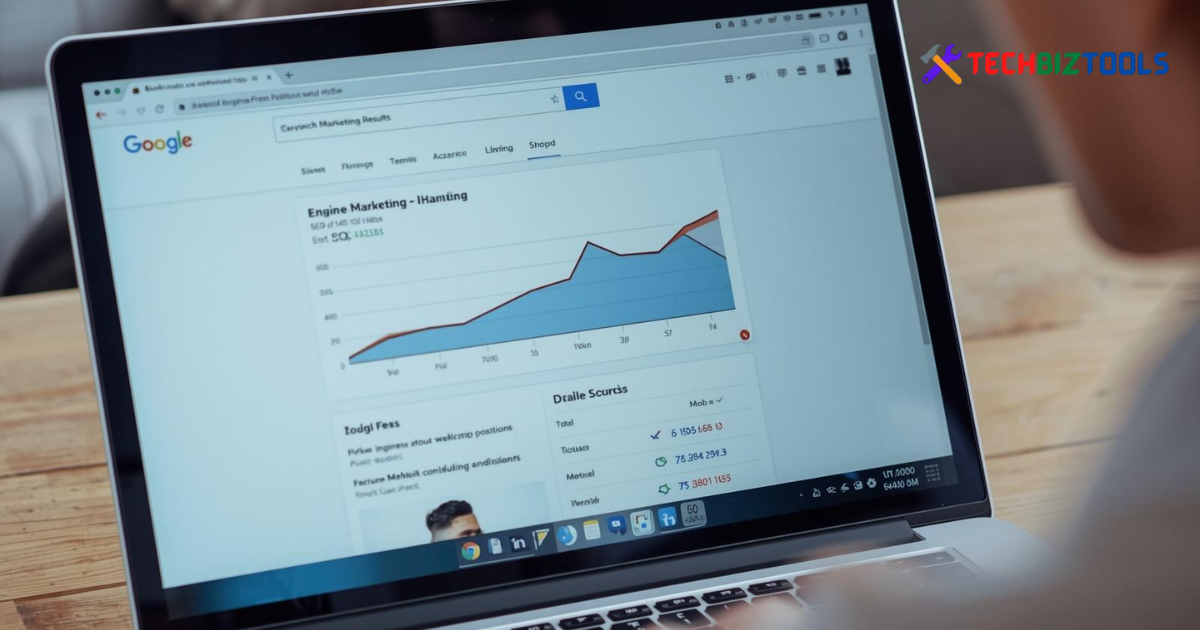
Before improving your rankings, you must first know where your pages currently stand.
Step 1: Identify Your Target Keywords
Every page should target a specific keyword or phrase.
Examples include:
- “SEO tools for beginners”
- “best website traffic analysis tools”
- “keyword density checker”
These keywords represent the search queries users type into search engines.
Once you know your target keywords, you can track how well your pages rank for them.
Step 2: Use a SERP Position Checker
The easiest way to check rankings is by using a SERP checker tool.
Enter your:
- Website URL
- Target keyword
The tool will display your current ranking position for that keyword.
You can quickly see whether your page appears on:
- Page 1
- Page 2
- Page 3 or beyond
Many website owners use the SERP checker available on TechBizTools to analyse their search performance and track improvements over time.
Step 3: Analyse Competitor Rankings
Checking your own ranking is only part of the process.
You should also study competitors that appear above your page in search results.
Look at their:
- Content quality
- Word count
- Keyword usage
- Backlink profile
- Page structure
Understanding why competitors rank higher helps you identify what improvements your page needs.
How to Improve Your SERP Position

Once you know your ranking position, the next step is optimisation.
Below are proven strategies to improve your search visibility.
#1. Optimise Your Content for Search Intent
Search engines aim to deliver the most relevant results to users.
If your page does not match the user’s search intent, it will struggle to rank.
There are several types of search intent:
- Informational (learning something)
- Navigational (finding a specific website)
- Transactional (ready to buy)
Your content should directly answer the user’s query and provide valuable information.
#2. Improve On-Page SEO
On-page SEO helps search engines understand the topic of your content.
Key elements to optimise include:
- Page title
- Meta description
- Headings (H1, H2, H3)
- Keyword placement
- Image alt text
Ensure your primary keyword appears naturally in important sections of your content.
#3. Strengthen Internal Linking
Internal links help search engines crawl your website more effectively.
They also distribute authority across your pages.
For example, linking related blog posts together helps search engines understand your content structure.
A strong internal linking strategy can significantly improve ranking potential.
#4. Build High-Quality Backlinks
Backlinks remain one of the most powerful ranking signals.
A backlink is simply a link from another website pointing to your content.
Search engines treat these links as votes of confidence.
The more authoritative websites that link to your page, the stronger your ranking potential becomes.
Focus on acquiring links from:
- Industry blogs
- News websites
- Resource pages
- Relevant directories
Quality always matters more than quantity.
#5. Improve Website Speed
Page speed affects both user experience and search rankings.
Slow websites cause visitors to leave quickly, increasing bounce rates.
Search engines consider user engagement signals when ranking pages.
Optimising images, enabling compression, and using reliable hosting can significantly improve page speed.
#6. Update Content Regularly
Fresh content signals relevance to search engines.
Updating your existing pages with:
- New information
- Updated statistics
- Additional insights
can help improve rankings over time.
Many high-ranking pages are updated frequently to maintain their authority.
#7. Improve Click-Through Rate (CTR)
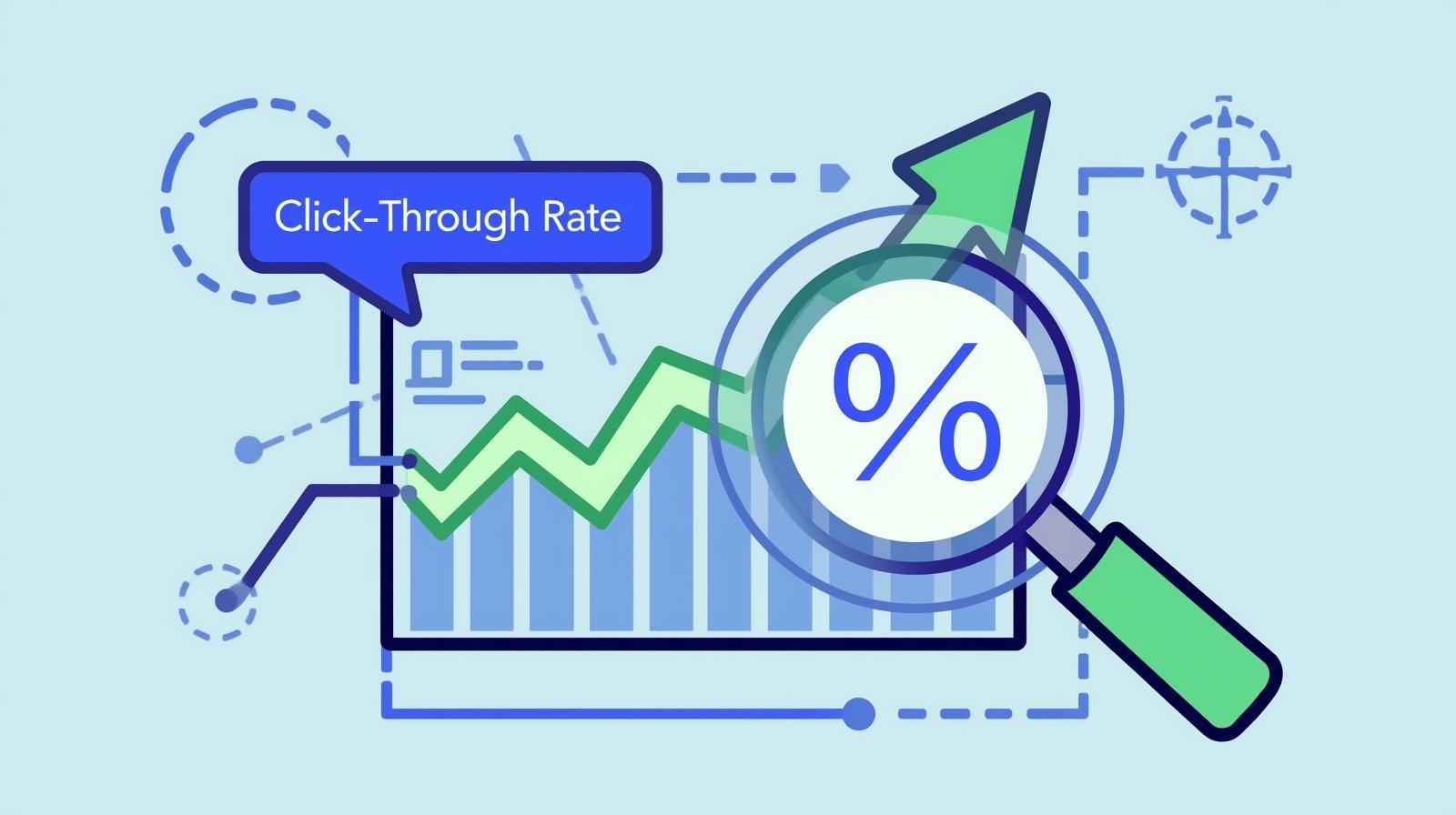
Even if your page appears in search results, users must choose to click it.
Your title and meta description play a major role in attracting clicks.
Create titles that are:
- Clear
- Informative
- Engaging
A higher click-through rate signals to search engines that your content is valuable.
How Long Does It Take to Improve SERP Rankings?
SEO improvements rarely happen overnight.
Depending on competition and website authority, ranking improvements may take:
- Several weeks
- A few months
- Longer for highly competitive keywords
Consistency is the key to long-term SEO success.
Common SERP Ranking Mistakes
Many website owners unknowingly slow down their ranking progress.
Avoid these common mistakes:
- Targeting overly competitive keywords
- Publishing thin or low-quality content
- Ignoring technical SEO issues
- Overusing keywords unnaturally
- Neglecting backlink building
SEO success requires a balanced strategy.
Best Way to Monitor Your Ranking Progress

Tracking your ranking progress regularly helps you understand what is working.
A good monitoring routine includes:
- Checking keyword rankings monthly
- Analysing competitor performance
- Reviewing traffic changes
- Optimising underperforming pages
Tools such as TechBizTools can help track SERP positions and identify opportunities for improvement.
Conclusion
Improving your website’s SERP position requires a combination of tracking, optimisation, and consistent effort.
By understanding where your pages currently rank and implementing the right SEO strategies, you can gradually move your website closer to the top of search results.
Focus on creating valuable content, strengthening your technical SEO, building quality backlinks, and monitoring your progress regularly.
With patience and the right approach, your rankings will improve—and as they do, your website will attract more traffic, visibility, and opportunities for growth.